Making Sense of Early Childhood Sensory Play and Messy Textures

Why sensory play is more than just a messy distraction
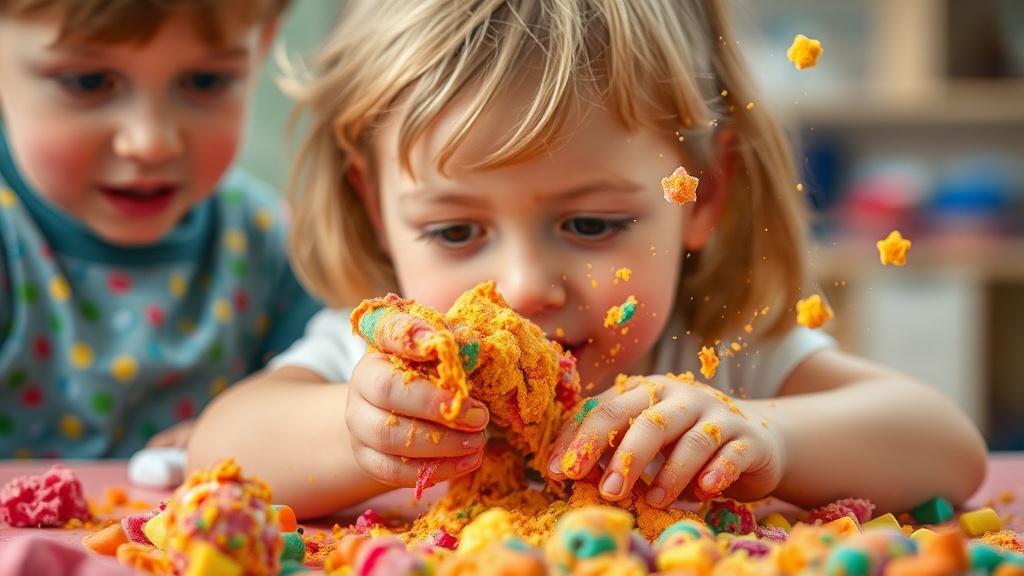
Imagine a toddler sitting on a kitchen floor, surrounded by a sea of dried lentils or a pile of damp, cold spaghetti. To an onlooküe, it looks like a disaster waiting to happen—a nightmare of cleanup and potential stains. But to that child, they are actually engaging in a complex-level cognitive task. They are testing gravity, texture, temperature, and cause-and-effect. Sensory play isn't just about keeping a child busy while you drink your coffee; it is a foundational building block for how they understand the physical world around them.
When we provide varied textures, we aren't just making a mess. We are helping them build neural pathways. A child feeling the difference between smooth river stones and jagged bark is learning categorization and sensory processing. This kind of hands-on exploration is how they build brain connections that will later support literacy and mathematical thinking. If we pull them away too early because we fear the mess, we might be cutting short a significant learning moment.
How do sensory bins help with development?
Sensory bins—those containers filled with various materials like rice, sand, or water—serve several developmental purposes. First, they encourage fine motor skills. Picking up a single grain of rice or squeezing a wet sponge requires precise hand-eye coordination and finger strength. This strength is exactly what they will need later when they start holding a pencil or using scissors.
Second, these activities are often incredibly grounding. For many children, especially those who struggle with sensory processing disorders or high energy levels, the tactile feedback of a sensory bin can be quite calming. It offers a way to regulate their nervous system through repetitive, soothing motions. You might notice a child becomes much more focused when they are allowed to simply sit and move grains of sand through their fingers.
If you are looking for more evidence on why these tactile experiences matter, the Zero to Three organization provides excellent resources on how sensory stimulation affects early brain development. It's about more than just 'play'; it's about building a foundation.
Can sensory play improve concentration?
Concentration is a skill that is built, not innate. For a young child, staying focused on a single task for more than a few minutes is a massive feat. Sensory play creates a high-engagement environment that naturally extends a child's attention span. Because the feedback is immediate—the sound of the water, the squish of the dough, the scent of the lavender—the child stays locked into the activity.
This deep focus (often called "flow state") is where the real learning happens. When a child is deeply engrossed in pouring water from one cup to another, they are practicing spatial awareness and volume. They are learning how much space an object occupies. This kind of sustained attention is a precursor to the focus they will eventually need in a classroom setting.
What are the best textures for home-based sensory play?
You don't need to buy expensive, branded sensory kits to give your child a rich experience. In fact, some of the best materials are already in your pantry. Here are a few ideas for different sensory profiles:
- Dry Textures: Dried beans, rice, oats, or even pom-poms. These are great for "searching and finding" games where small objects are hidden inside.
- Wet/Sticky Textures: Shaving cream, yogurt, or even just plain water and bubbles. These are excellent for "drawing" patterns or letters with a finger.
- Temperature Variations: Using ice cubes or warm (not hot!) water can teach children about thermal sensations and how substances change states.
When setting up these stations, it's helpful to have a "containment" strategy. A large plastic tray or even a cheap plastic tablecloth underneath the station can save your floors and make the inevitable cleanup much less stressful. A little preparation goes a long way in making these moments feel like a fun experiment rather than a chore.
It is worth noting that for children who are sensory-avoidant (those who might hate the feeling of certain textures), you should always offer a tool. A spoon, a shovel, or a brush can act as a bridge, allowing them to interact with the material without direct skin contact. This respects their boundaries while still encouraging exploration. For more specialized guidance on sensory sensitivities, the CDC offers insights into developmental milestones and sensory processing.
The goal isn't to have a perfectly clean house; the goal is to have a curious child. A child who is allowed to explore, even if it means a bit of flour on the countertop, is a child who is learning to be an active participant in their own education. Embrace the mess, because that's where the magic—and the learning—actually happens.